Bicycle Accident Lawyer Denver: Understanding Demand Letters and Negotiations
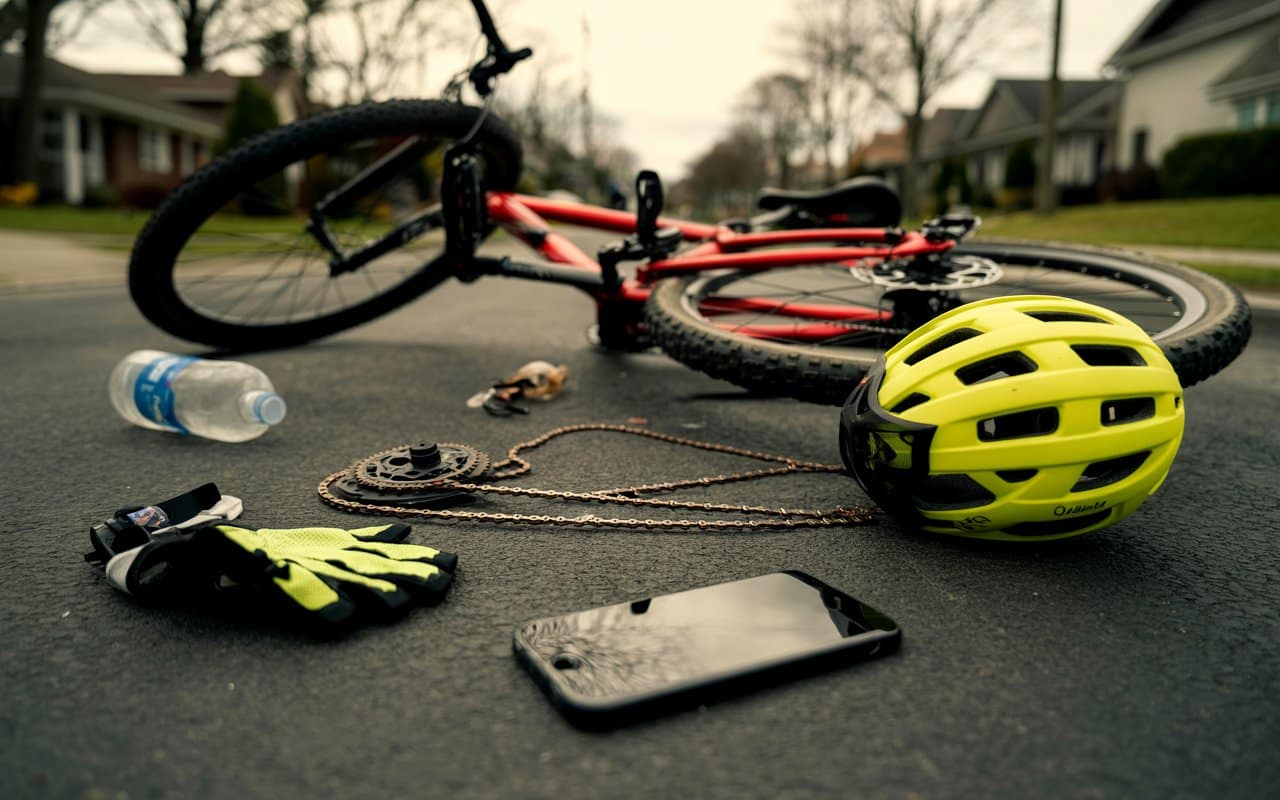


A bicycle crash claim often turns on what happens after the emergency room visit, after the bike is hauled home, and after the first wave of adrenaline fades. The legal and insurance process is less dramatic than the collision itself, but it is where much of the financial outcome is decided. For injured riders in Denver, one of the most important stages is the demand letter and the negotiation that follows.
People are often surprised by how much rides on a few pages of careful writing. A strong demand package can frame liability, document injuries, explain losses, and set the tone for settlement talks. A weak one can invite delay, skepticism, and low offers. That is one reason many injured cyclists eventually look for a Bicycle Accident Lawyer Denver riders can trust, especially when medical treatment is ongoing or the insurer is already pushing back.
The idea sounds simple. You were hit, you got hurt, the insurer should pay. Real cases are rarely that neat. Bike crashes raise recurring issues that do not show up as often in ordinary fender-benders. Visibility arguments come up. Road positioning comes up. Helmet use comes up, even when it should not matter to fault. There may be disputes about bike lane usage, intersection control, speed, lighting, or whether the rider was predictable enough for a driver to avoid the collision. By the time a demand letter goes out, all of those issues need to be anticipated and answered.
Why the demand letter matters more than most people think
A demand letter is not a formality. It is the first real chance to present the claim as a coherent, evidence-backed story rather than a pile of disconnected records. Adjusters do not evaluate a case in the abstract. They look for risk. If the file suggests clear liability, credible injuries, and a claimant who is prepared to prove losses, the value of the case changes.
In bicycle cases, the demand letter often has another purpose. It educates. Some adjusters handle auto claims all day but do not fully appreciate how bike crashes injure the body differently. A rider thrown over handlebars can suffer a collarbone fracture, wrist fracture, facial injuries, road rash serious enough to scar, a concussion, and lingering shoulder or back problems, all from an impact that left modest damage to the car. That mismatch can cause insurers to minimize harm if the injury picture is not carefully explained.
The best demand letters do not rant. They do not overstate. They do not threaten for effect. They show the adjuster, and eventually a defense lawyer or jury if needed, that the claimant understands the facts and can prove them.
What a well-built bicycle crash demand package usually includes
A polished demand package is assembled, not improvised. That sounds obvious, but many claims lose momentum because key records are missing, timelines are fuzzy, or the injuries are described in a way that does not match the medical chart.
A thorough package often includes:
- A factual summary of the collision, including date, location, direction of travel, traffic controls, weather, visibility, and the driver’s specific conduct
- Supporting evidence such as the police report, photographs, body camera footage if available, witness statements, and damage photos for both the bike and vehicle
- Complete medical documentation, including emergency care, imaging, specialist records, physical therapy notes, and a clear account of prognosis
- Proof of financial losses, such as medical bills, wage loss records, out-of-pocket expenses, and property damage documentation
- A settlement demand that ties the evidence to a reasoned number rather than a guess or a slogan
In practice, the strongest packages also address weaknesses before the insurer can weaponize them. If the rider was not in a marked bike lane, explain why https://josuefhij045.hexaforgey.com/posts/do-you-need-a-bicycle-accident-lawyer-in-denver-for-minor-injuries that did not violate any rule and why the rider’s positioning was reasonable for safety. If there was a gap in treatment, explain that the person was waiting for a specialist appointment, dealing with cost concerns, or trying home care before symptoms worsened. If the initial emergency records say “pain improving” but later imaging showed a fracture or disc injury, the narrative should reconcile that without drama.
Timing is a strategic choice, not a clerical step
One of the most common mistakes is sending a demand too early. There is understandable pressure to move fast, especially when bills are arriving and the bike is totaled. But a claim is harder to value before treatment stabilizes. If the rider still has unresolved neurological symptoms, ongoing physical therapy, possible surgery, or uncertain work restrictions, the full extent of damages is still developing.
That does not mean a claim should sit untouched. It means there is a difference between opening the claim and making a mature settlement demand. A seasoned Bicycle Accident Lawyer Denver claimants hire will usually spend the early phase gathering records, preserving evidence, monitoring treatment, and identifying coverage. Then, once there is enough medical clarity, the formal demand goes out with real force behind it.
There are exceptions. Sometimes early negotiation makes sense if injuries are minor and fully resolved in a short window. Sometimes liability is so clear and damages so documented that a prompt demand is efficient. Other times, partial information is enough to start meaningful talks, especially if there is concern about limited policy limits. Judgment matters here. Speed helps only when it does not sacrifice value.
Liability in Denver bicycle claims is often argued in very specific ways
Car insurers rarely concede fault just because a cyclist was injured. Instead, they narrow the debate to details. Did the rider come into the lane suddenly. Was the cyclist visible. Did the rider obey the signal. Did the driver have time to react. Was the contact truly caused by the vehicle, or did the cyclist lose control independently.
Denver cases often involve urban conditions that complicate the picture. Parked cars create dooring risks. Right turns across bike lanes create angle impacts that drivers insist they never saw coming. Four-way stops generate disputes over sequence and right-of-way. Trails, side streets, and mixed-use areas can produce confusion about where the bicycle was supposed to be.
A demand letter has to do more than say the driver was careless. It should identify the mechanism of negligence clearly. Maybe the driver overtook too closely. Maybe the driver turned across the rider’s path. Maybe the driver opened a door into traffic without checking. Maybe the driver was distracted and drifted. The more precisely fault is described, the harder it is for the defense to hide behind generalities.
When possible, the letter should also ground those points in physical facts. Scrape marks on the bike, impact location on the vehicle, helmet damage, phone records, scene photos, and witness accounts all matter. A claim becomes stronger when the evidence tells the same story from different angles.
Medical proof is not just about diagnosis, it is about narrative
Many injured cyclists assume their records speak for themselves. They do not. Medical records are essential, but they are created for treatment, not litigation. They can be abbreviated, inconsistent, and incomplete. A triage note written ten minutes after a crash may focus on bleeding and vital signs, not on shoulder weakness that becomes significant the next day.
That is why demand letters need a coherent medical narrative. If the rider developed concussion symptoms, there should be a clear progression from impact to symptoms to evaluation to restrictions to ongoing effects. If road rash left pigment changes or raised scarring, the demand should explain location, visibility, and emotional impact, especially for injuries to the face, arms, or legs. If a wrist fracture healed but reduced grip strength affects commuting or work tasks, that should be documented in practical terms.
Pain and suffering claims also become more credible when they are specific. Saying someone experienced “severe pain” is generic. Saying they could not lift a child for six weeks, needed help showering because of a clavicle fracture, missed a planned cycling event they had trained months for, or still become dizzy in heavy traffic months later gives the loss shape. Insurers discount abstractions. They pay more attention to concrete disruption.
At the same time, restraint matters. Overwriting a claim can backfire. Most adjusters have seen inflated language before. If every symptom is described as life-altering, the entire presentation can lose credibility. A professional demand letter acknowledges improvement where improvement occurred and distinguishes between temporary pain and lasting impairment.
The value fight is often about more than medical bills
People fixate on medical expenses because they are the easiest numbers to see. But bicycle crash damages often extend beyond treatment invoices. A carbon road bike or e-bike can cost several thousand dollars to replace. Helmet replacement is not optional after impact. Torn riding gear, broken lights, damaged computers, and shoes clipped into pedals can all add up. Lost wages may be obvious for a construction worker with lifting restrictions, but less obvious and just as real for a consultant who missed billable work, a nurse who could not stand through a shift, or a musician with a wrist injury.
Then there are the losses that do not sit neatly in a spreadsheet. A rider who depended on cycling for commuting may now need rideshares, parking, or alternate transportation for months. Someone who used cycling to manage anxiety, maintain fitness, or stay socially connected may lose more than a hobby. These facts are not sentimental extras. When supported and presented well, they help explain why a claim carries real human value.
Negotiation usually turns on how convincingly these losses are documented and framed. The adjuster knows every claimant says life was disrupted. The claim that stands out is the one that proves it.
How insurers typically respond to a bicycle accident demand
Insurers tend to follow patterns. Once a demand is submitted, there may be a period of silence while the adjuster reviews records, asks for authority, or sends the file for a liability assessment. Then the response comes, and it often falls into one of a few categories.
Sometimes there is a low opening offer that is not meant as a final number so much as a test. The adjuster is probing whether the claimant understands the case value. Sometimes there is a detailed response disputing causation, arguing that treatment was excessive, or assigning comparative fault to the cyclist. Sometimes there is a request for more records, prior medical history, or proof of wage loss. On clearer files, there may be a reasonable offer early, especially if policy limits are low and exposure is obvious.
A counteroffer should not be reflexive. It should be strategic. If the insurer contests a knee injury as preexisting, the response should point to prior records showing no active treatment, or to post-crash imaging and functional complaints that establish aggravation. If they minimize the bike damage, the response should include a shop estimate, photographs, and replacement information. If they claim the rider was hard to see, the response should marshal lighting evidence, clothing descriptions, scene layout, and witness accounts.
Negotiation is usually a process of narrowing uncertainty. The stronger the documentation, the less room there is for discounting.
Comparative fault can change the numbers quickly
Colorado negligence law can affect bicycle claims in a major way because fault may be shared. Even when a driver is primarily responsible, the insurer may argue the cyclist contributed to the crash. If that argument sticks, settlement value can drop substantially.
This issue shows up all the time in Denver bicycle cases. A rider may have been moving through an intersection on a stale yellow. A bike light may have been dim. The rider may have left the bike lane to avoid debris or a parked vehicle. None of those facts automatically defeats the claim, but they can become leverage points in negotiation.
A good demand letter does not ignore those facts and hope they disappear. It deals with them directly. If the rider moved left to avoid a hazard, say so and explain why that was prudent. If visibility conditions were poor, show what steps the cyclist took to remain visible and why the driver still had a duty to keep a proper lookout. Comparative fault arguments lose force when they are met with context instead of defensiveness.
What riders can do before the negotiation phase begins
The negotiation outcome is often shaped long before anyone discusses a dollar figure. The everyday decisions made after a crash can either strengthen the claim or leave holes that are difficult to repair later.
The most helpful steps are usually these:
- Get prompt medical evaluation, even if symptoms seem manageable at first, because bike crash injuries often evolve over the first day or two
- Preserve the bicycle, helmet, clothing, and gear in their post-crash condition until they are photographed and, if necessary, inspected
- Document symptoms and limitations in ordinary language, noting missed work, sleep disruption, transportation problems, and activities you can no longer do normally
- Avoid giving casual recorded statements or accepting quick settlement money before the injury picture is clear
- Speak with counsel early if liability is disputed, injuries are significant, or the insurer starts framing the cyclist as the problem
None of this requires paranoia. It requires discipline. Claims are easier to prove when evidence is saved and the timeline is clear.
When a lawyer adds real leverage, and when a claim may stay manageable without one
Not every bicycle crash case needs full legal representation. If the injuries are minor, fully resolved, fault is obvious, and the insurer is acting reasonably, some people can handle a straightforward property-and-medical claim themselves. That said, bicycle cases become complex faster than many assume.
A Bicycle Accident Lawyer Denver residents consult often adds the most value when fault is disputed, the injuries involve head trauma or fractures, treatment lasts for months, wage loss is substantial, or the available insurance is layered or limited. Lawyers also matter when the insurer keeps asking for “just one more record,” blames prior conditions without support, or makes an offer that does not remotely reflect the disruption the rider has lived through.
There is also a psychological shift when a professionally prepared demand package lands on the adjuster’s desk. It signals that the claim is documented, organized, and ready to be carried forward if negotiation fails. That does not guarantee a fair offer, but it usually changes the conversation.
Settlement numbers are rarely pulled from thin air
Clients often ask the obvious question: what is my case worth. The honest answer is that value comes from a mix of factors, not a universal formula. Injury severity matters. Recovery time matters. Liability clarity matters. Scarring, surgery, permanent symptoms, and the credibility of the claimant matter. So do practical issues like policy limits and the county where a lawsuit would be filed if negotiations collapse.
An experienced lawyer or adjuster usually evaluates a bicycle claim by looking at the whole picture. A nondisplaced wrist fracture that heals well in eight weeks has a different value than a traumatic brain injury with persistent balance and concentration issues. A collarbone fracture with surgery is different from road rash that heals cleanly. A driver who admits fault at the scene presents a different risk than a case built from circumstantial evidence.
What should concern injured riders is not the absence of a simple formula, but the tendency of insurers to behave as though one exists. They may implicitly reduce a case to medical specials times some rough multiplier. Real negotiation is more nuanced than that. A compelling liability story and well-documented daily impact can move value considerably, while a medically expensive case with poor causation proof can stall.
If negotiations fail, the demand letter still does important work
A rejected demand is not wasted effort. In many cases, it becomes the foundation for litigation. The facts are already organized. The records are gathered. The damages theory is articulated. The insurer’s response has revealed the core defense themes. That gives the injured rider and counsel a clearer view of whether filing suit makes economic and strategic sense.
It also creates a paper trail. If the carrier ignored obvious evidence, delayed unreasonably, or misread the claim, those details may matter later. Even when a case eventually settles after suit is filed, the negotiation usually improves because both sides now understand what the evidence will look like under oath.
For that reason, a careful demand letter should be written with two audiences in mind. The first is the adjuster evaluating settlement today. The second is the defense lawyer, mediator, or jury who may encounter the case later. The tone should stay measured, the facts should stay accurate, and the claim should be supported like it may someday be examined line by line.
The practical reality for Denver cyclists
Denver has a strong cycling community, but that does not insulate riders from the familiar problems that follow serious collisions. Drivers deny seeing cyclists. Insurance companies treat bike claims like minor side files until the evidence proves otherwise. Riders who were healthy and active before the crash suddenly find themselves arguing over therapy visits, replacement gear, and whether their pain is “real enough.”
That is exactly why the demand and negotiation stage deserves serious attention. It is where the claim becomes legible. It is where injuries are connected to evidence. It is where a cyclist stops being just another claim number and becomes a person with a documented loss.
Handled well, a demand letter does more than ask for money. It tells the truth persuasively. It anticipates the excuses. It assigns a fair value to what was taken. And when necessary, it lays the groundwork for the next step with clarity and force. For injured riders weighing their options, especially those dealing with fractures, head injuries, disputed fault, or stubborn insurers, speaking with a Bicycle Accident Lawyer Denver cyclists rely on can make the difference between a thin settlement and a fully developed claim.
Ends · MILOOMHO046